


يرتبط ضعف البصر الناتج عن مرض الكتاراكت (المياه البيضاء) بكبار السن (فوق 50 عاما)، ومن المتوقع أن تسوء هذه الحالة مع التقدم في العمر. قد يسبب ضعف البصر الشديد مثل ضعف طول النظر (العجز البصري الرئيسي لدى معظم مرضى الكتاراكت) ويؤثر سلباً على جودة الحياة. اقرأ المزيد

تأثير الكتاراكت على حياة كبار السن
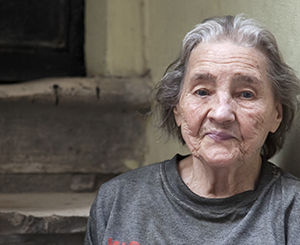
انخفاض الوضع الاجتماعي

العزلة الاجتماعية
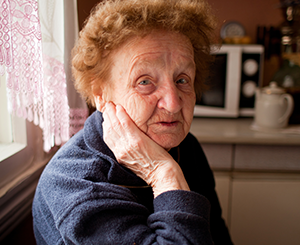
ضعف الصحة العامة
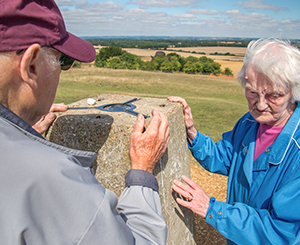
زيادة الاكتئاب

تزايد خطر الوقوع والإصابة بالكسور

صعوبة أداء أنشطته اليومية

ارتفاع معدل الوفيات
أهمية قياس الوظائف البصرية لمريض الكتاراكت
يعد قياس الوظائف البصرية للمريض أهم من قياس حدة الإبصار عند تحديد مدى الحاجة إلى خضوع إلى الجراحة لإزالة الكتاراكت (المياه البيضاء).
من خلال قياس الوظائف البصرية يمكن تقييم مدى قدرة المريض على أداء «المهام الهامة المعتمدة على الرؤية لنفسه أو لأسرته».
يجب التحقق من تمتع المريض بقدرة مناسبة على الرؤية (عن قرب وعن بعد وتحت مختلف ظروف الإضاءة) لأداء أنشطة الحياة اليومية والهوايات. ولا يتطلب ذلك إجراء اختبار واحد فقط.


ولتقييم آثار الكتاراكت (المياه البيضاء) ، يجب طرح مختلف الأسئلة.
هناك عدد من الاستبيانات المفيدة لتقييم الوظائف البصرية وما يقابلها من قياسات.
بعد إجراء الجراحة، يجب التحقق بدقة من كلا من حدة الإبصار ومن حالة الوظائف البصرية للتأكد من تأثير الجراحة على الحياة اليومية للمريض.
غالباً ما يستعيد المريض الرؤية بعد جراحة إزالة الكتاراكت (المياه البيضاء) ويختبر تحسنا في جودة حياته.

References
1. Amedo A et al. Quality of Life of Cataract Patients Before and After Surgery-Evidence From Four Rural Communities in Ghan. M J Opht. 1(1): 003.
2. Ghana Eye Foundation. (2005). What are the Causes of Avoidable Blindness and What is its Magnitude in Ghana?.
3. Polack S and Kuper H. (2006). The Cataract Impact Study; Summary Report. 19(60), 68-69.
4. Steinberg EP, Tielsch JM, Schein OD, Javitt JC, et al. (1994). The VF-14. An Index of Functional Impairment in Patients with Cataract. Arch Ophthalmol. 112(5), 630-638.
5. Polack S, Eusebio C, Fletcher A, Foster A, et al. (2010). Visual Impairment from Cataract and Health Related Quality
of Life: Results from a Case-Control Study in the Philippines. Ophthalmic Epidemiol. 17(3), 152-159.
6. Finger RP, Kupitz DG, Holz FG, Balasubramaniam B, et al. (2011). The impact of the severity of vision loss on vision-related quality of life in India: an evaluation of the IND-VFQ-33. Investigative Ophthalmology and Visual Science. 52(9), 6081-6088.
7. Kanonidou E, Konidaris V, Kanonidou C, Papazisis L, et al. (2013). Preoperative Management of Cataract Surgery Candidates: an Evaluation of their Perception and Preferences. Open Journal of Ophthalmology. 3(3), 90-92.
8. Cahill MT, Banks AD, Stinnett SS, Toth CA, et al. (2005). Vision-related quality of life in patients with bilateral severe age-related macular degeneration. Ophthalmology. 112(1), 152-158.
9. Gupta S et al. Impact of cataract surgery in quality of life of patients. Int J Res Med Sci. 2021 Feb;9(2):386-389
10. Mozaffareih M, Heinzz H, Sacu S, Wedrich A. clinical outcomes of phacoemulsification cataract surgery in diabetes patients. Visual function (VF-14), visual acuity and patient satisfaction. Acta Opthalmol Scand. 2005;83:176-83.
11. Lewallen S, Courtright P. Recognizing and reducing barriers to cataract surgery. Comm Eye Health. 2000;13:20-1.
12. Shah SP, Gilbert CE, Razavi H, Turner EL, Lindfield RJ. Preoperative visual acuity among cataract surgery patients and countries state of development: a global study. Bull world Health Organ. 2011;89(10):749-56.
13. Mangione CM, Lee PP, Gutierrezz PR, Spritzer K, Berry S, Hays RD. Development of the 25-item national eye institute visual function questionnaire. Arch Opthalmol. 2001;119:1050-8.
14. Kuper H, Polack S, Eusebio C, Mathenge W, Wadud Z, et al. A case control study to assess the relationship between poverty and visual improvement from cataract in Kenya, the Phillipines and Bangladesh. PloS Med. 2008;5:244.
15. Carlson K, Nancy D. Clinical procedure of ocular examination USA. 2004;3:10-4.